

Fundamentally an Institution of Understanding
Why understanding precedes intervention, how evidence informs judgement, and how the Institute connects research, education and governance through the Academy.
Read articleAn independent research and education institute advancing a deeper understanding of the carbon and energy realities that shape our world.
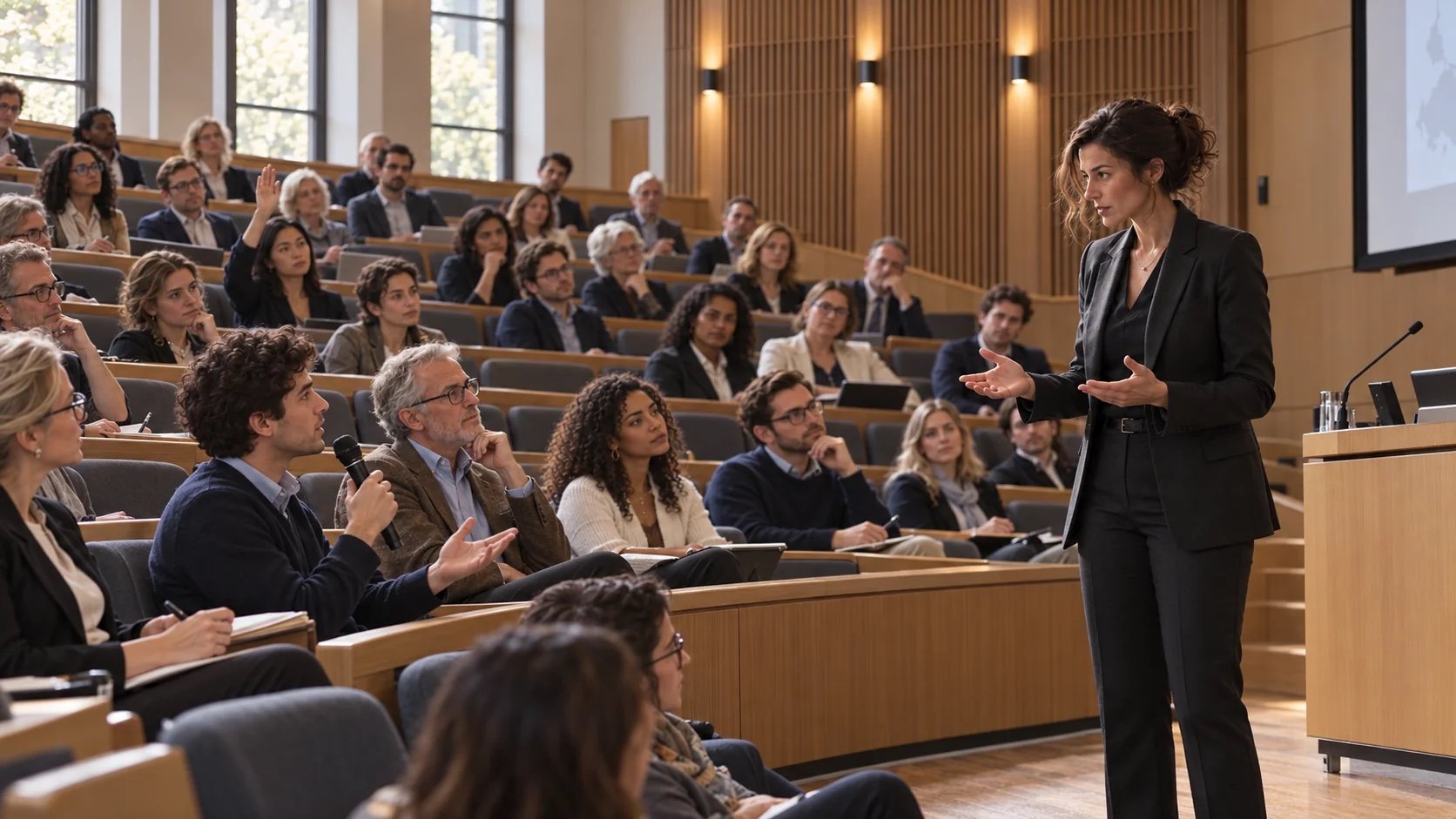
GCCEI is an international institute concerned with environmental understanding, education, research and governance. It examines carbon, energy recovery, thermochemical conversion, material systems and environmental consequences through research, comparative analysis and evidence-led investigation.
Why understanding precedes intervention, how evidence informs judgement, and how the Institute connects research, education and governance through the Academy.
Read articlePyrolysis is a family of thermochemical processes, not a single machine or a guaranteed environmental outcome. Its performance depends on material, process conditions, energy, pollution control and what happens to the resulting products.
Read articleWaste can become a major source of pollution when it is poorly managed, burned, dumped, leaked or improperly treated. But waste and pollution are not synonyms, and confusing them obscures both problems.
Read articleA system can appear environmentally favourable or unfavourable simply because the analysis has been stopped at a convenient point. Credible comparison begins by defining where the system starts, where it ends and what alternative it replaces.
Read articleA pyrolysis reactor does not process the word “waste”. It processes a real chemical and physical feedstock containing polymers, water, minerals, metals, additives and contaminants. Composition therefore shapes process performance, products, emissions and energy demand.
Read articlePyrolysis occurs under low-oxygen conditions, but a complete pyrolysis facility can still have multiple emission sources. Environmental performance therefore depends on enclosure, gas capture, combustion, filtration, acid-gas control, condensate management, residue handling and monitoring.
Read articleA stack measurement describes what leaves a source. Environmental consequence depends on what happens afterwards: atmospheric transport, chemical transformation, deposition, exposure and dose.
Read articleA process can recover carbon into a solid, liquid, chemical or fuel product without reducing overall greenhouse-gas emissions. Carbon avoidance depends on what the recovered carbon replaces, how long it remains in use, the energy required to recover it and its final fate.
Read articleChildren inherit environmental systems they did not design. Giving them the ability to understand those systems is not about recruiting them to a cause. It is about giving them the knowledge needed to recognise evidence, ask better questions and make more informed decisions later.
Read articlePollution, climate change and waste are connected environmental issues, but they are not the same thing. Children can understand the distinction when each problem is explained through its own cause and pathway.
Read articleHow the Academy develops environmental understanding through inquiry, evidence and responsible judgement.
Read Our Curriculum
The durable principles governing the Institute’s purpose, independence, conduct and institutional responsibility.
Explore the Constitution
GCCEI defines the question, understands the material and process, follows mass and energy flows, characterises emissions and residues, examines pathways and alternatives, identifies uncertainty and reaches only the conclusion supported by evidence.
How GCCEI examines a systemSix connected fields of inquiry. Environmental systems are examined through their materials, processes, pathways and consequences.
Waste is a category of discard, not a chemical feedstock specification. Environmental decisions improve when the materials inside the waste system are understood before a treatment route is selected.
An environmental release is the beginning of a pathway, not the end of an assessment.
Carbon and energy recovery are frequently discussed through the language of circularity and avoidance. GCCEI separates the physical act of recovery from the comparative claim of environmental benefit.
A conversion system processes real material, not marketing categories. Feedstock composition governs chemistry, energy demand, product quality, emissions and process stability.
Technology labels are poor substitutes for comparable evidence. GCCEI compares complete thermal systems rather than idealised reactor chemistry.
Pyrolysis is a family of thermochemical processes in which material undergoes thermal decomposition under conditions involving the substantial absence of oxygen. That definition describes a process family, not a guaranteed environmental outcome.
The GCCEI Academy is the Institute’s principal educational expression. It develops environmental understanding through curriculum architecture, educator development, multilingual learning materials, institutional partnerships and public knowledge.
Explore the Academy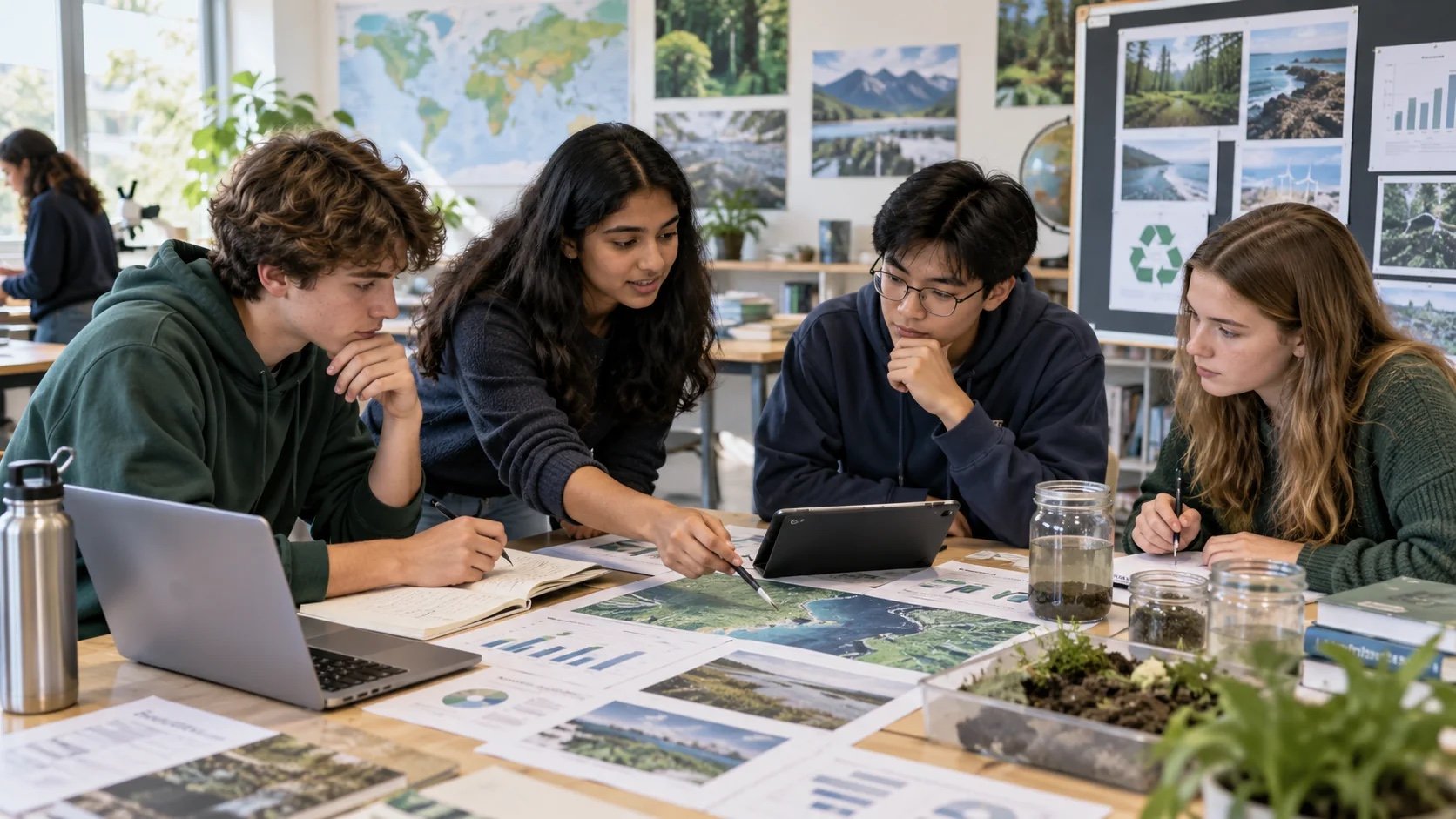
The Academy’s curriculum develops environmental understanding through inquiry, evidence and responsible judgement. Learners examine how materials, energy and environmental processes connect, distinguish evidence from assertion, and consider the consequences of different choices.
The Library provides reference material, while the Lab supports investigation. The curriculum brings these resources into structured learning, helping learners test assumptions, recognise uncertainty and reach conclusions supported by evidence.
Our CurriculumResearch, comparative assessments, evidence reviews, methodologies and institutional papers.
Explore Publications